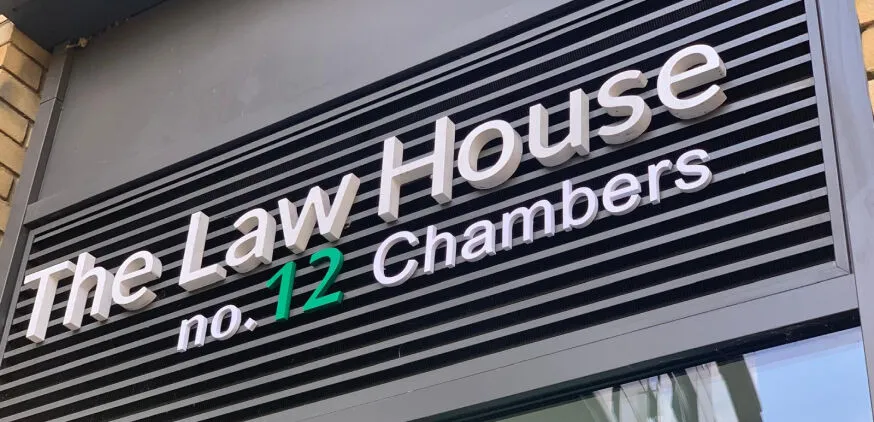
When you walk down a busy high street or enter a retail complex, the first thing you notice about a store is often its shop signs. But have you ever stopped to think about what makes a shop sign more than just a name or logo on a board? What role does it really play in attracting customers and promoting a business? This blog post will dive into what shop signs are, the different types available, and why they are a crucial element for businesses, especially in the UK.
What Exactly is a Shop Sign?
A shop sign is any sign or graphic used to display a business’s name, logo, services, or products. These signs serve as the first point of contact between a business and its potential customers. A well-designed shop sign doesn’t just identify the store; it communicates the store’s brand, personality, and sometimes even its values.
Key Functions of a Shop Sign
- Brand Identity: A shop sign is oftens the first impression customers have of your business. It helps communicate your business’s values, tone, and professionalism.
- Guidance: It directs customers to your store, especially in areas with multiple businesses or in complex shopping environments.
- Attracting Attention: A well-designed shop sign can draw in foot traffic, making it easier for potential customers to find you.
- Informational: Some signs give customers critical information such as business hours, promotions, or other services offered.
Why Are Shop Signs Important for Your Business?
The Importance of Shop Signs for Your Business cannot be overstated, especially in the UK’s competitive retail environment. A well-designed shop sign is your first opportunity to make an impression and build a brand identity.
It boosts visibility, attracts foot traffic, and distinguishes you from competitors. A high-quality sign is aesthetically pleasing and a crucial marketing tool that enhances credibility.
Here are a few reasons why investing in a good-quality shop sign is essential for your business.
Increased Visibility
The more visible your shop is, the more foot traffic you’ll attract. Whether your store is located in a busy shopping area or tucked away on a side street, a well-lit, eye-catching sign can help people find you. Small businesses or those in less-trafficked areas need to stand out. A bright and bold shop sign, whether it’s an LED sign or a neon sign, can work wonders.
Cost-Effective Marketing
Unlike other marketing tools like online ads, TV, or radio spots, shop signs are a one-time investment that offers long-term benefits. A sign remains visible around the clock, continuously promoting your business without additional ongoing costs. Many small businesses in the UK use shop signs as their primary form of marketing, especially in local markets.
Building Brand Recognition
A good shop sign design helps build brand recognition. By incorporating your brand’s colors, fonts, and logo into your signage, you create a consistent visual presence that customers can identify from a distance. It is particularly effective in high-traffic areas like shopping centers, retail parks, and city streets.
Complying with Local Regulations
In the UK, there are regulations about where and how shop signs can be displayed. Local councils often require businesses to obtain permission for their signs. Understanding these rules and investing in professional signage that meets legal requirements will ensure your business is not penalized for improper signage.
Different Types of Shop Signs
Shop signs come in various shapes, sizes, and styles. Each type serves a different purpose and can be chosen based on the nature of your business, the space available, and your budget. Here are some common types of shop signs used across the UK:
Fascia Signs
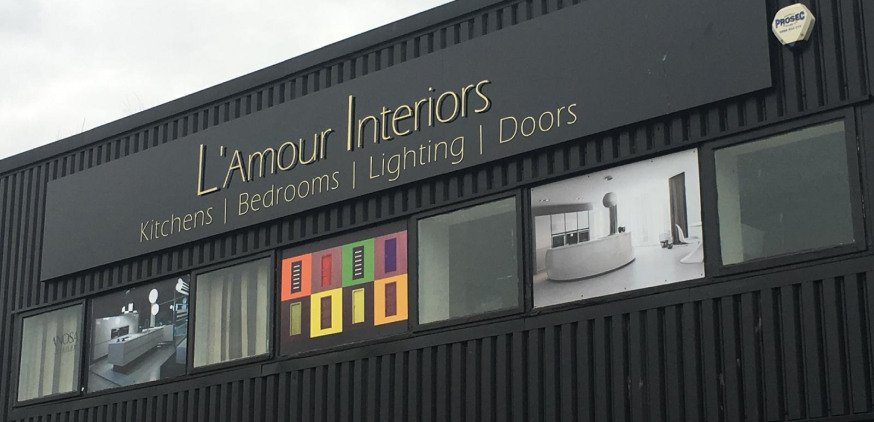
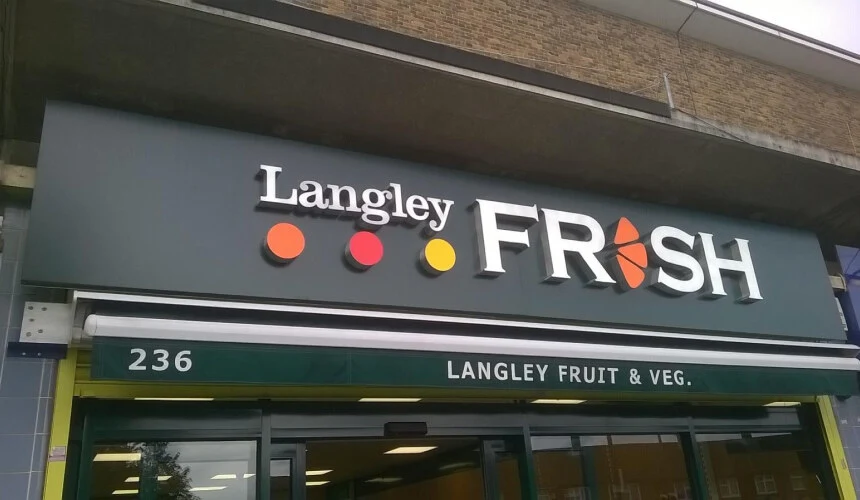
Fascia signs are one of the most common types of shop signs, usually mounted above the shop entrance. They can be made of wood, acrylic, or metal and often feature the business’s name, logo, and sometimes a tagline. Fascia signs are particularly popular for retail outlets, cafes, and restaurants.
A-Board Signs
A-boards, or pavement signs, are portable signs placed outside a shop to attract foot traffic. They’re commonly used for promotions, sales, and menus for cafes and restaurants. These signs are versatile, easy to change, and allow businesses to adjust messaging based on seasons or offers.
Hanging Signs
Hanging signs are typically suspended above the entrance or hanging from the ceiling inside the store. These signs can feature the store name, logo, or a specific product category. Hanging signs are effective in areas where multiple businesses are located on the same street or complex, as they help differentiate individual shops.
Window Signs
Window signs are often made from vinyl or other materials that can be easily applied to glass surfaces. They can showcase the business’s name, special offers, or key products. These signs work well for retail stores, particularly those in busy shopping districts where space for traditional shop signs might be limited.
Neon and LED Signs
Neon signs are iconic and easily recognizable, and LED signs are modern and energy-efficient. Both types offer high visibility and are perfect for businesses that want to stand out at night or in low-light conditions. LED signs are especially popular for restaurants, bars, and shops in tourist-heavy areas.
Digital Signs
Digital signage allows businesses to update their messaging instantly. Using screens, you can display dynamic content like videos, advertisements, and even interactive elements to engage customers. These signs are increasingly popular in high-end retail stores or businesses looking to add a modern, tech-savvy touch.
Factors to Consider When Choosing a Shop Sign
Selecting the right shop sign requires careful thought and planning. Here are some factors to consider before finalizing your signage:
- Location: Where will the sign be placed? Visibility and foot traffic are essential when choosing sign placement.
- Size: Make sure the sign is large enough to be seen from a distance but not overwhelming or out of place.
- Materials: The material used for the sign can affect its durability and aesthetic. Common materials include wood, metal, acrylic, and vinyl.
- Lighting: Consider whether your shop sign needs to be illuminated, especially if your business operates after dark.
- Brand Consistency: Ensure the sign reflects your business's brand, including color schemes, fonts, and logo usage.
- Budget: While quality is important, make sure the sign fits within your budget. There are affordable options like vinyl banners or painted wood, as well as high-end options like neon or digital signage.
Shop Signs in the UK: Trends and Regulations
In the UK, shop signage is subject to specific regulations that vary depending on location. For instance, businesses in conservation areas or listed buildings may face stricter rules regarding the size and style of their shop signs. Additionally, there are growing trends for eco-friendly signage, with businesses opting for sustainable materials and energy-efficient lighting.
Moreover, digital signs are becoming increasingly popular, and their use is expected to rise in the coming years. Interactive displays and QR codes are among the innovative features businesses are incorporating to create a more engaging customer experience.
Conclusion
Whether you run a small boutique or a larger chain, your shop sign is an integral part of your branding and customer engagement strategy. It’s more than just a functional tool; it’s a symbol of your business’s identity, values, and promise to your customers. By investing in a high-quality, strategically placed sign, you not only attract more customers but also create lasting impressions that will build your brand’s presence in the marketplace.
FAQs
What are the best materials for shop signs?
Common materials include acrylic, wood, metal, and vinyl. The best material depends on your budget, the style of your business, and the sign’s placement.
How do I choose the right shop sign for my business?
Consider factors like visibility, size, material, and design consistency with your brand. A professional sign maker can help guide you in making the right choice.
Can I install a shop sign without permission in the UK?
In most cases, you need permission from your local council, especially if your sign is large or affects a listed building. Always check with your council before installing signage.
How much do shop signs cost in the UK?
The cost of shop signs varies depending on materials, size, and design. Prices can range from £100 to several thousand pounds for larger, custom-made signs.